5s
+1
Submission successful!

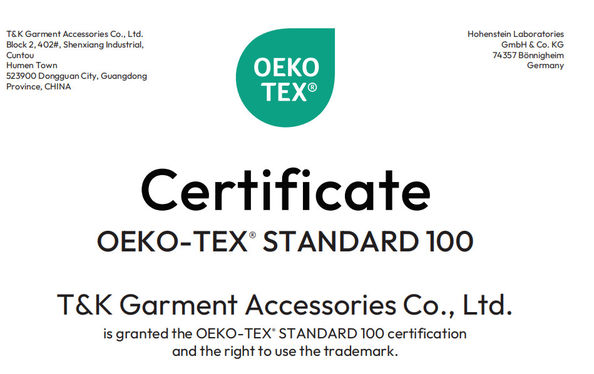

Chemical compliance is becoming a bigger part of apparel sourcing.
For sportswear and outdoor brands, the conversation is no longer limited to fabric performance, waterproofing, or logo design. Buyers are increasingly asking whether smaller components such as labels, patches, coatings, transfers, tapes, and functional trims contain restricted substances.
The latest PFAS-related regulatory developments are accelerating this shift.
PFAS refers to a broad group of fluorinated chemicals that have historically been used in applications requiring water, oil, or stain resistance.
As restrictions expand, apparel brands need a clearer understanding of where these substances may appear across a finished product.
That can include not only fabrics, but also:
Printed coatings
Heat transfer films
Waterproof finishes
Adhesives
Patches
Labels
Functional accessories
For sportswear suppliers, this means material compliance is becoming part of normal product development.
A common sourcing mistake is to focus chemical compliance only on the main fabric.
However, a technical garment may contain multiple materials and processes.
For example, a performance jacket might combine:
Laminated fabric
TPU logo patches
Silicone branding
Heat transfer graphics
Reflective details
Zipper coatings
Drawcord components
Each component can have its own material formulation.
Brands therefore need to understand the full trim package, not just the shell fabric.
Buyers increasingly need more specific answers.
Important questions include:
What is the exact material composition?
Is the product intentionally manufactured with fluorinated chemistry?
What restricted-substance standards are followed?
Are test reports available?
Which laboratory performed the test?
Does the report apply to the exact material and color ordered?
How often is testing updated?
Clear documentation helps reduce sourcing risk.
Suppliers should be careful with broad phrases such as:
“100% PFAS-free”
unless the claim is supported by appropriate testing and clearly defined scope.
A safer sourcing approach is to provide:
Material specifications
Applicable compliance declarations
Third-party testing where available
Restricted substance information
This gives buyers evidence rather than marketing language.
Removing or avoiding certain chemicals does not eliminate performance requirements.
Sportswear brands still need trims that can provide:
Flexibility
Wash resistance
Abrasion resistance
Adhesion
Weather resistance
Color stability
This means suppliers may need to balance compliance with technical performance.
TPU, silicone, heat transfers, and molded components are increasingly common in modern sportswear.
They can provide excellent branding and performance advantages, but buyers should still request accurate material information.
The sourcing decision should not assume that one material category is automatically compliant.
Formulation, additives, surface treatment, printing, and adhesives can all matter.
In the past, many buyers evaluated trim suppliers mainly on:
Price
MOQ
Appearance
Lead time
Today, supplier value increasingly includes:
Material transparency
Testing support
Compliance knowledge
Documentation speed
For international sportswear brands, this can become an important supplier-selection factor.
PFAS compliance is pushing sportswear brands to examine apparel trims more carefully.
Labels, patches, heat transfers, coatings, and functional accessories are becoming part of the same chemical-compliance conversation as fabrics.
For suppliers, the opportunity is clear: provide not only attractive products, but also clearer material information, reliable documentation, and evidence-based compliance support.
Contact Person: Miss. kiyila
Tel: 13412215413
Fax: 86--769-89776544


 English


