5s
+1
Submission successful!


Sustainability claims are becoming more specific.
Fashion brands have spent years using terms such as:
Eco-friendly
Recycled
Sustainable
Responsible
Green
But buyers are increasingly asking a more important question:
What evidence supports the claim?
This shift is changing the way apparel trims are sourced.
A label described as eco-friendly may sound positive, but it does not tell a buyer:
What material it contains
How much recycled content is used
Whether the claim is certified
Where the material comes from
Which standard applies
Professional sourcing teams increasingly need this information before approving a component.
Sustainability used to focus mainly on fabric.
Now brands are examining:
Labels
Patches
Tapes
Hang tags
Zippers
Packaging
Decorative accessories
This reflects a broader move toward evaluating the environmental impact of the whole product.
A recycled fabric paired with undocumented accessories can make sustainability communication more complicated.
Common forms of evidence may include:
Material composition sheets
Recycled-content documentation
Certification scope
Test reports
Supplier declarations
Traceability information
The exact requirement depends on the brand, market, and product category.
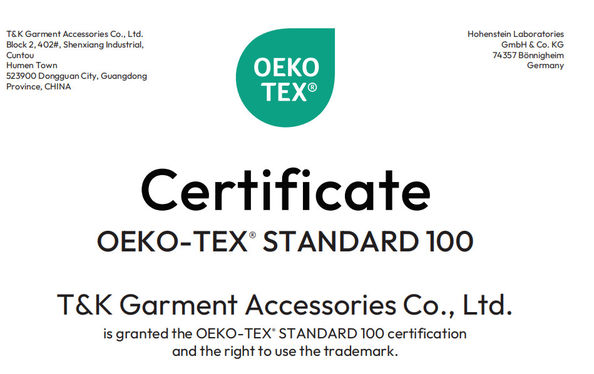
One important issue is understanding exactly what a certificate covers.
A factory may hold a certification, but buyers still need to know whether:
The exact material is included
The specific product is covered
The current supplier is approved
The claim applies to the finished trim
This is why buyers are becoming more careful with sustainability language.
Instead of simply asking:
“Is this recycled?”
buyers may ask:
What percentage is recycled?
Is it pre-consumer or post-consumer?
Is the yarn certified?
Can the batch be traced?
This is especially relevant for:
rPET woven labels
Recycled polyester tapes
Sustainable hang tags
Recycled TPU components
Brands are increasingly aware that unsupported environmental claims can create legal and reputational risk.
This means sourcing teams need suppliers that can help them communicate accurately.
For suppliers, vague claims may become less useful than clear, measurable information.
A supplier serving international brands should gradually build a clear documentation package.
Useful materials may include:
Product material specifications
Available certifications
Testing information
Recycled-content details
Compliance statements
Production traceability records
This makes buyer evaluation faster.
Price remains important, but trust matters more when products carry sustainability claims.
A supplier that can quickly answer technical questions may have an advantage over one that only provides marketing language.
Sustainability in apparel trims is moving from storytelling toward verification.
Buyers increasingly want proof behind recycled, responsible, and eco-friendly claims.
For apparel trim suppliers, this creates a new competitive requirement:
Do not only sell sustainable products—be prepared to explain and document why they are sustainable.
Contact Person: Miss. kiyila
Tel: 13412215413
Fax: 86--769-89776544


 English


